On May 19, 2026, Donald Trump signed an executive order titled "Integrating Financial Technology Innovation into Regulatory Frameworks." The headline sounds bureaucratic. The implications are not.
For the first time in history, a sitting US president has formally directed the Federal Reserve to evaluate giving crypto firms direct access to the US payment system. Not through banks. Not through intermediaries. Direct access to the same rails that move trillions of dollars every day.
What the Order Actually Says
The executive order sets three deadlines. Federal regulators have 90 days to review existing rules that restrict crypto and fintech firms from accessing payment accounts and banking infrastructure. They then have 180 days to propose specific changes. The Federal Reserve separately has 120 days — by September 16, 2026 — to submit a full report to the president evaluating the legal, regulatory, and policy framework governing direct access to Reserve Bank payment accounts for non-bank companies including crypto firms.
The language in the order is explicit. The US must "streamline regulatory processes, reduce unnecessary barriers to entry, and encourage collaboration between fintech firms, federally regulated financial institutions, and federal financial regulators." It also specifically targets rules that "primarily benefit incumbent financial services firms" — a direct shot at traditional banks that have long used regulatory access as a competitive moat.
This is not a suggestion. It is a formal White House directive with named deadlines and named agencies responsible for delivering results.
Why This Matters for Bitcoin
The current system forces crypto companies to route payments through traditional banks, which can deny service, add friction, or impose arbitrary restrictions. Getting a bank account as a crypto company in the US has historically been one of the industry's biggest operational headaches, a problem that intensified dramatically after Operation Chokepoint 2.0 under the previous administration.
Direct Fed access changes that entirely. A crypto exchange with a master account at the Federal Reserve does not need a banking partner. It settles directly. It accesses instant payment networks directly. It competes on equal footing with JPMorgan and Bank of America in the payments infrastructure layer.
The Fed is already moving in this direction. In March 2026, the Federal Reserve Bank of Kansas City approved a limited purpose account for Kraken's parent company Payward, the first time a crypto firm had obtained this type of access. The executive order accelerates that process and puts the full weight of the White House behind it.
The New Fed Chair Factor
The 120-day evaluation will be conducted under Kevin Warsh, Trump's new Fed chair appointment, who replaced Jerome Powell earlier this year. Warsh served on the Fed Board from 2006 to 2011 and has historically been more open to financial innovation than Powell. Whether the Fed engages with the order substantively or produces a report that simply describes obstacles without recommending solutions will depend almost entirely on how Warsh chooses to handle it.
The order cannot force the Fed to act — the language "requests" the evaluation rather than mandating it, acknowledging the Fed's legal independence. But a White House request with a named deadline and a new crypto-friendly chair is a very different environment than any the industry has operated in before.
What Happens Next
The regulatory review deadline lands in mid-August. The Fed report is due by September 16. The 180-day action window closes in mid-November. That timeline means the second half of 2026 will produce either concrete regulatory changes that open the payment system to crypto firms or a paper trail of obstruction that the administration can use to push further.
For Bitcoin specifically, the long-term implication is institutional infrastructure. Every piece of regulatory clarity that makes it easier for compliant crypto firms to operate inside the US financial system reduces the friction for institutional capital allocation. The CLARITY Act advancing in the Senate, the Fed access review, and the existing Strategic Bitcoin Reserve together represent the most comprehensive pro-crypto regulatory environment the US has ever produced.
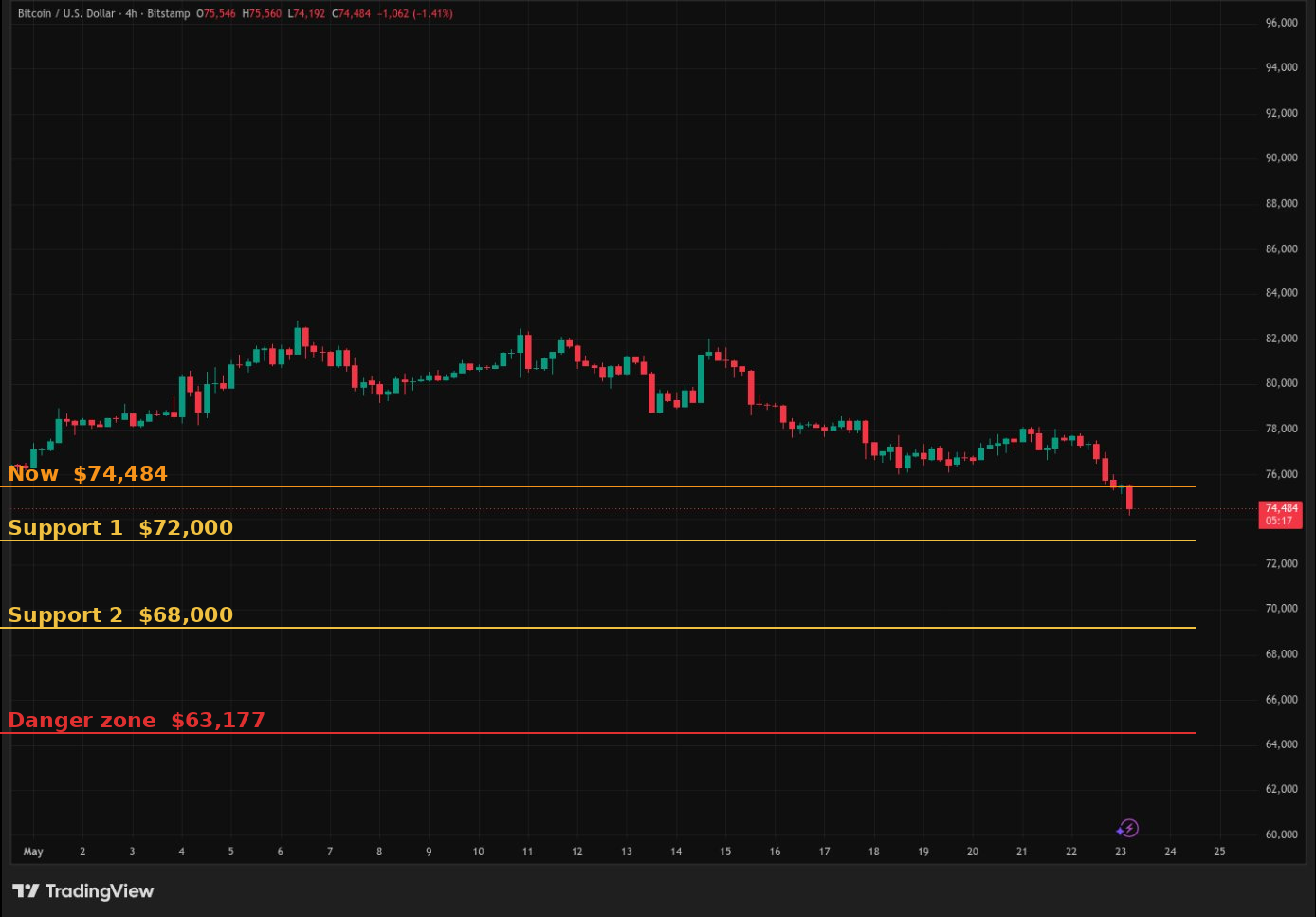
None of it moves the price today. All of it determines where the floor is in 12 months.
BitBrainers. We check the facts so you don't have to.