MoonPay just launched a platform specifically designed to let banks distribute tokenized assets and connect into DeFi markets. That happened this week. Most people read that headline and thought it was about crypto trading. It is not. It is about payroll.
The rails for paying workers in tokenized real-world assets are not theoretical. They are being assembled right now, piece by piece, and most employees have no idea what is coming at them.
The Payroll System Has a Design Flaw That Tokenization Directly Solves
Traditional payroll runs on ACH rails built in the 1970s. Transfers take one to three business days, settlement is opaque, and cross-border payments lose value to FX fees at every step. For a global workforce in 2026, this is not a minor inconvenience. It is a structural failure.
Tokenized assets solve the settlement problem at the root level. When a paycheck is issued as a tokenized asset on a blockchain, settlement happens in seconds, not days. The employer does not need a bank correspondent network to pay a contractor in Manila or Lagos.
Bitcoin proved this was possible. BTC moves across borders in under ten minutes, 24 hours a day, 365 days a year, with no intermediary deciding whether the transfer is approved.
MoonPay Just Handed Banks the Keys to Token-Based Compensation
On May 21, 2026, MoonPay announced a new platform explicitly targeting banks and their ability to distribute tokenized assets and access DeFi markets. This is not a consumer crypto product. This is B2B infrastructure aimed at institutions that currently hold the relationship with your employer.
When banks can issue and distribute tokenized assets at the institutional level, the next logical step is compensation. A company treasury holding tokenized U.S. Treasuries or tokenized equity can route those assets directly to an employee wallet without converting to fiat first.
This collapses three steps into one. The employer saves on FX conversion, the bank earns custody and distribution fees, and the employee receives an asset that may appreciate rather than inflate away.
Bitcoin Sits at the Top of This Stack Whether Institutions Admit It or Not
Tokenized assets and Bitcoin are not competing ideas. They occupy different layers of the same emerging system. Tokenized real-world assets like Treasury bills or real estate fractions are productivity tools. Bitcoin is the reserve asset underneath them.
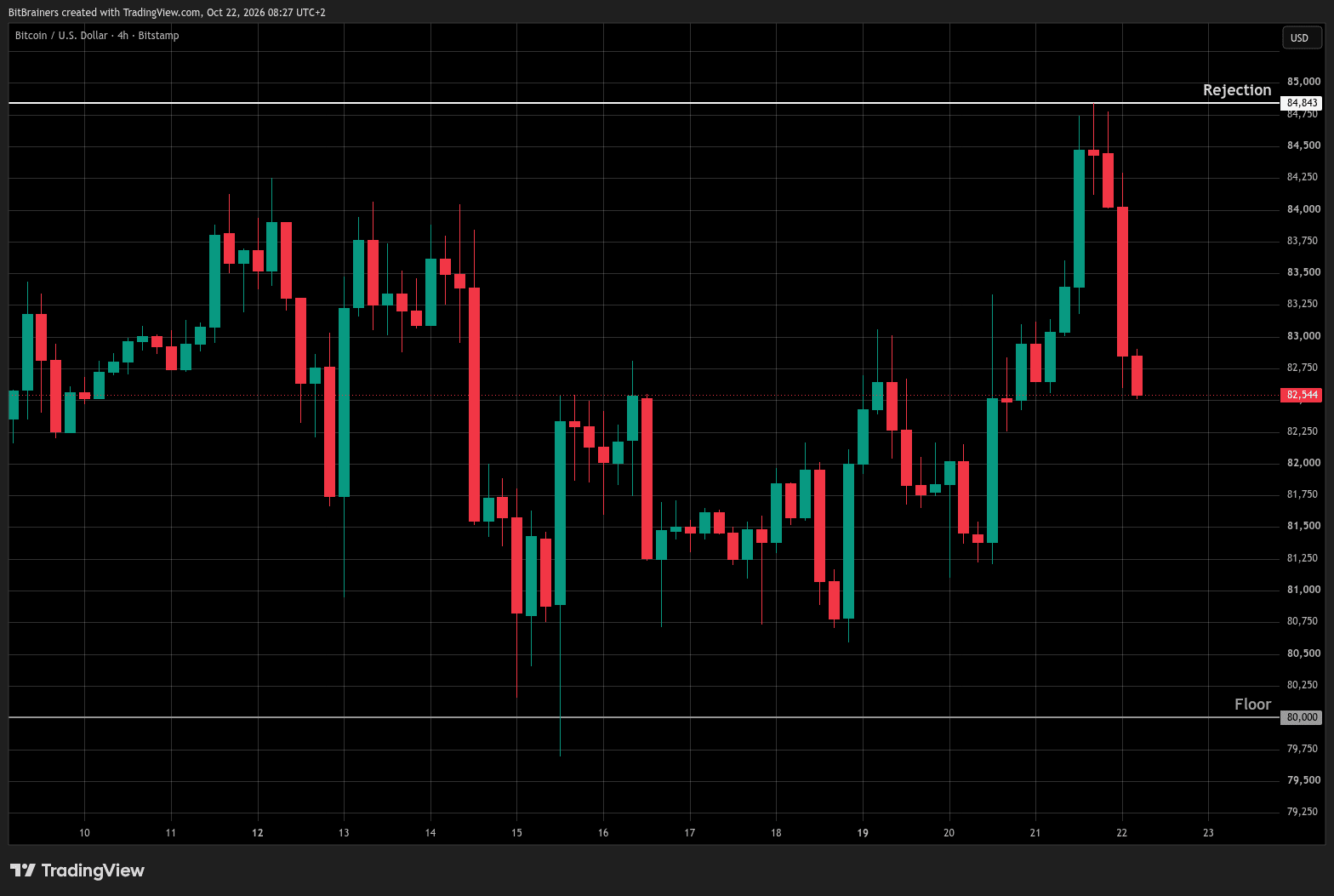
An employee paid in tokenized T-bills is receiving yield-bearing dollar-denominated exposure. An employee who converts a portion of that compensation into BTC at current prices of $77,271 is making a monetary decision about long-term purchasing power preservation. Both behaviors will become routine within the next decade.
The critical point is that Bitcoin does not need employers to adopt it directly. It only needs the tokenization rails to exist, and those are being built right now by institutions like MoonPay and the banks they serve.
Most People Do Not Know This: The Legal Framework Already Exists in Several Jurisdictions
Here is the insider detail most crypto blogs skip entirely. In Switzerland, El Salvador, and several U.S. states, employers can already legally compensate workers with digital assets as part of a broader compensation package. The legal barrier is not as high as most HR departments assume.
Wyoming passed a series of blockchain-friendly statutes that give digital assets legal property status. Switzerland has had a permissive digital asset compensation framework for years. El Salvador made it explicit at the national level. This is not future legislation. These laws are active today.
The real blocker right now is not law. It is accounting software. QuickBooks and SAP were not built to handle tokenized payroll. But that is a tooling problem, not a legal problem, and tooling problems get solved fast when there is money involved.
The Contrarian Take: Stable Employment Is the Biggest Risk Factor Here, Not Volatility
Every mainstream concern about crypto payroll focuses on price volatility. That is the wrong thing to worry about. The real risk is that workers with stable fiat salaries are sitting in a currency that loses real purchasing power every year, measured against goods, housing, and energy costs.
An employee paid in tokenized assets linked to Bitcoin or even tokenized hard assets has more transparent exposure to real value than someone holding depreciating fiat in a checking account earning near-zero interest. Volatility cuts both ways. Inflation only cuts one way.
The assumption most readers arrive with is that crypto payroll is riskier than dollar payroll. That assumption deserves a hard look in a world where the dollar's purchasing power declines predictably and structurally.
DeFi Integration Means Your Compensation Package Could Earn While It Sits
The MoonPay platform specifically targets DeFi market access for banks. That detail matters enormously for the future of compensation. A tokenized salary that sits in a DeFi-compatible wallet can be deployed into yield-generating protocols without the employee touching it manually.
This is not a savings account at 0.01% annual yield. DeFi lending markets have historically offered meaningfully higher yields on dollar-denominated stablecoins than traditional bank products. When your employer can directly deposit tokenized assets into a wallet you control, you gain the ability to put that compensation to work immediately and automatically.
This fundamentally changes the relationship between income and wealth-building. Right now those are two separate steps. Tokenized payroll collapses them into one.
The Wallet Question Is the One Nobody Is Asking Loudly Enough
If your compensation arrives as a tokenized asset, the custodianship question becomes urgent. When your paycheck is a dollar amount in a bank account, the bank holds custody and provides FDIC insurance up to $250,000. When your paycheck is a tokenized asset in a wallet, you are responsible for what happens to it.
This is where self-custody hardware becomes a professional necessity, not a hobbyist choice. A device like a Trezor hardware wallet moves your assets off exchange servers and into cold storage that only you control. You can explore Trezor's lineup at Trezor's site if you are thinking seriously about what self-custody looks like for an asset-based compensation future.
Exchanges will also matter more in a tokenized payroll world. When you need to convert between tokenized assets, or move BTC into fiat for living expenses, you want an exchange with deep liquidity and a multi-year track record. Kraken fits that profile. You can set up an account through this link and have the infrastructure ready before your employer does.
Employers Will Use Tokenized Payroll to Retain Talent Before Governments Regulate It
Corporate adoption of tokenized compensation will move faster than regulatory clarity, not because companies are reckless, but because the competitive pressure to retain global talent is immediate. A tech company with remote employees in 40 countries has a real incentive to offer low-friction, low-fee tokenized payroll before the IRS or Treasury finishes writing the rules.
We saw this same pattern with equity compensation in the 1990s. Options and restricted stock units spread across Silicon Valley well before the tax treatment was fully standardized. The tooling followed the behavior. Expect the same dynamic with tokenized compensation.
The first industries to move will be crypto-native firms, followed quickly by tech companies with international payroll complexity. Traditional industries will follow within five to seven years once the tooling infrastructure matures.
What You Should Do Today to Be Ready for This Shift
Stop treating crypto infrastructure as something you set up after you need it. The time to understand self-custody, on-chain wallets, and exchange accounts is before your employer asks you to fill out a new direct deposit form that requires a wallet address.
Get a hardware wallet now and learn how it works with zero pressure. Trezor's interface is straightforward enough to practice with small amounts before anything high-stakes depends on it. Visit Trezor here and start the setup process this week.
Open a Kraken account and understand how to convert between tokenized assets and local fiat. Kraken's platform supports a wide range of assets and jurisdictions, which matters when tokenized payroll is inherently cross-border. The readers who understand these tools before tokenized payroll becomes mainstream will have a significant structural advantage over those scrambling to learn them under time pressure.
The assumption that your employer controls what your paycheck looks like is about to become a negotiating point, not a fixed constraint. That shift is closer than most employees think, and the infrastructure being built right now is what makes it possible.
Disclosure: This post contains affiliate links to Trezor and Kraken. BitBrainers may earn a commission at no extra cost to you. This is not financial advice.
Sources
CoinDesk. MoonPay expands into tokenized assets and DeFi markets with new platform for banks