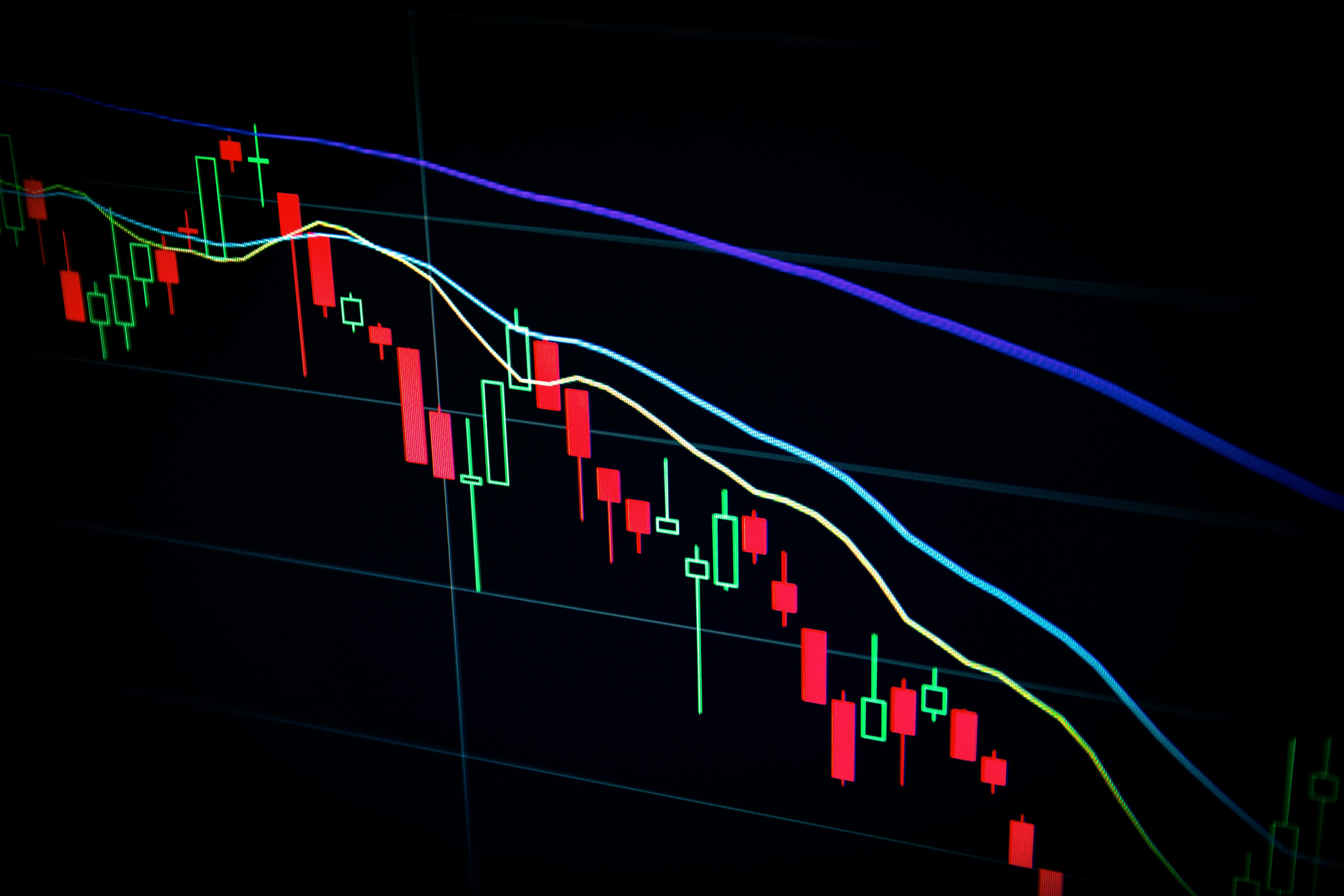
$1.6 billion. Gone. Not from a hack, not from a rug pull. From overleveraged traders betting against Bitcoin at exactly the wrong moment. That is the number you need to sit with before you read another word.
Bitcoin crashed hard, rattled everyone who had short-term conviction, then ripped straight back above $61,000. This is not a random event. It is a pattern that repeats itself in crypto with such regularity that if you have been in this market for more than two years and you are still surprised by it, you need to rethink your edge.
The Liquidation Cascade Was Not a Crash, It Was a Cleaning
When Bitcoin dropped sharply enough to trigger over $1.6 billion in liquidations, every crypto outlet scrambled to call it a meltdown. It was not. It was a forced flush of bad positioning. The market did what markets do: it hunted the most crowded trade and destroyed it.
Overleveraged longs getting wiped out is painful but understandable. Overleveraged shorts getting wiped out on a bounce is almost poetic. These were traders who saw a downturn, piled into short positions with too much size, and then got absolutely run over when buyers stepped back in.
The bounce back above $61,000 was not driven by fresh retail enthusiasm or some miraculous fundamental news. It was driven by short covering. Forced buying from people who needed to close their losing positions pushed the price up faster than most organic moves would have.
Bears Are Sitting on a $2.6 Billion Trap Right Now
Here is where it gets genuinely interesting. According to Cointelegraph, Bitcoin bears currently face a $2.6 billion trap as BTC funding rates drop. A declining funding rate tells you that short sellers are piling in. They smell blood after the initial drop and they want a piece of the downside.
The problem with that logic is that when funding goes negative or drops sharply, it historically precedes short squeezes. The market owes those shorts nothing. If enough buyers absorb the selling pressure and price starts climbing, those $2.6 billion in short positions have to cover. That covering adds fuel to any rally.
This is not guaranteed to play out. But the setup is there. Bears are betting heavily on continuation to the downside while the market is quietly coiling.
Most People Do Not Know That Funding Rate Drops Are Often a Contrarian Signal
Here is the insider knowledge that most casual traders completely miss. When everyone starts shorting because momentum feels bearish, funding rates fall. That sounds like a bearish confirmation, and every surface-level analyst will tell you it is. They are wrong.
Negative or sharply declining funding rates mean that long positions are actually being paid by shorts to stay in the market. The crowd is leaning so hard in one direction that the mechanism designed to balance the market tips in favor of the opposite trade. When you see $2.6 billion stacked against Bitcoin and funding dropping, that is not confirmation of a bear market. That is kindling.
The traders who understand this do not follow the crowd into momentum shorts. They wait for the setup to fully load and then position on the other side with appropriate risk management. That is not contrarianism for its own sake. It is reading the actual structure of the market.
The Bounce to $61K Was Not a Recovery, It Was a Reset
Let us be precise about what happened here, because the framing matters. CoinDesk reported Bitcoin back above $61,000 after the rout that caused those $1.6 billion in liquidations. That framing sounds like a triumphant recovery. It is better described as a market reset.
After a forced liquidation event of this size, price tends to stabilize around a level where neither bulls nor bears have overwhelming conviction. $61,000 is not a sign that everything is fine. It is a neutral zone where the next big move is still being decided.
The traders who got wiped out are out of the game. The ones who survived are reassessing. And the ones who were watching from the sidelines are now calculating their entry. That three-way tension is what makes post-liquidation price action so difficult to trade and so important to pay attention to.
Leverage Is the Real Enemy, Not Volatility
Every time a liquidation cascade like this one hits, a wave of new traders discovers a lesson the hard way: volatility is not what kills you. Leverage is. Volatility is the weather. Leverage is choosing to build your house out of paper.
Bitcoin has always been a volatile asset. Anyone who has been in this market since the early cycles knows that 20% to 30% drawdowns within a bull market are not exceptions. They are features. The problem is that leverage transforms a survivable drawdown into a complete account wipeout.
If you are trading with positions sized appropriately to your actual capital and risk tolerance, a drop to the levels we just saw stings but does not end you. If you are running aggressive leverage, you are not trading Bitcoin volatility. You are playing a much more dangerous game where the house almost always wins eventually.
The Contrarian Read Most Blogs Will Not Give You
Here is the take that is going to annoy the permabears reading this. The fact that $1.6 billion in liquidations happened and Bitcoin bounced back above $61,000 within a short timeframe is actually structurally bullish. Not because Bitcoin is going to moon tomorrow. Because it demonstrates demand absorption.
That level of selling pressure, combined with the forced selling from liquidated longs, hit the market and buyers still stepped in. The price did not collapse into a death spiral. It found support and recovered. That is not weakness masquerading as strength. That is genuine demand showing up when it counts.
The assumption most people walking into this post carry is that $1.6 billion in liquidations signals a broken market. The data says the opposite. It cleared out the weakest hands, reset positioning, and left behind a market where the next move has fewer obstacles in its way.
What You Should Actually Be Watching Right Now
Watch the funding rate. Specifically, watch whether it continues to drop or starts to recover. If short positions keep building toward and beyond that $2.6 billion level without a squeeze triggering, it tells you sellers have conviction and the downside is real. If funding starts ticking back toward neutral or positive, the short squeeze thesis is loading.
If you are trading through a platform like Kraken, you can monitor open interest and funding data directly. That is the real signal in this market right now, not the price level itself.
And if this whole episode reminded you that you have been meaning to move your BTC off exchanges, now is a reasonable time to act on that. A Trezor hardware wallet keeps your holdings out of reach of platform risk, liquidation cascades, and the general chaos that follows events like this week's flush.
The number to watch is $2.6 billion. If that trap springs, this market will move faster than most people are ready for.
Sources
CoinDesk. Bitcoin back above $61,000 after rout leads to $1.6 billion liquidations
Cointelegraph. Bitcoin bears face $2.6B trap as BTC funding rate drops: Is a short squeeze brewing?
On The Radar This Week
The immediate price test is whether Bitcoin can reclaim and hold $65,000, the level that capped the recent bounce and now acts as the line between recovery and continuation lower. A confirmed close above it shifts focus to $67,500; failure to hold the current $60,753 area reopens the $62,500 zone that bears have been eyeing since the breakdown. With $1.6 billion in shorts liquidated this week, the squeeze fuel is largely spent, so the next directional move needs genuine spot demand to stick.
ETF flows are the cleaner read on that demand right now. May logged $2.30 billion in outflows, the largest monthly exit of 2026, and weekly flow data through mid-June will signal whether institutional money is rotating back or simply waiting. A reversal into net inflows concurrent with a $65,000 reclaim would be the first meaningful confluence bulls can point to since spring.
On the macro side, mark June 14 evening Belgrade time on the calendar, when USD/JPY price action will front-run the BOJ rate decision scheduled for June 15 to 16. Markets are pricing a 64% probability of a hike to 1.0%, and a stronger yen historically pressures risk assets in the short window after. Separately, the CLARITY Act is advancing toward a Senate floor vote this summer, and any confirmed timeline will move crypto legislative sentiment fast given how long the industry has waited on jurisdictional clarity.
BitBrainers. We check the facts so you don't have to.
Disclosure: This post contains affiliate links to Trezor and Kraken. BitBrainers may earn a commission at no extra cost to you. This is not financial advice.
— BitBrainers Editorial