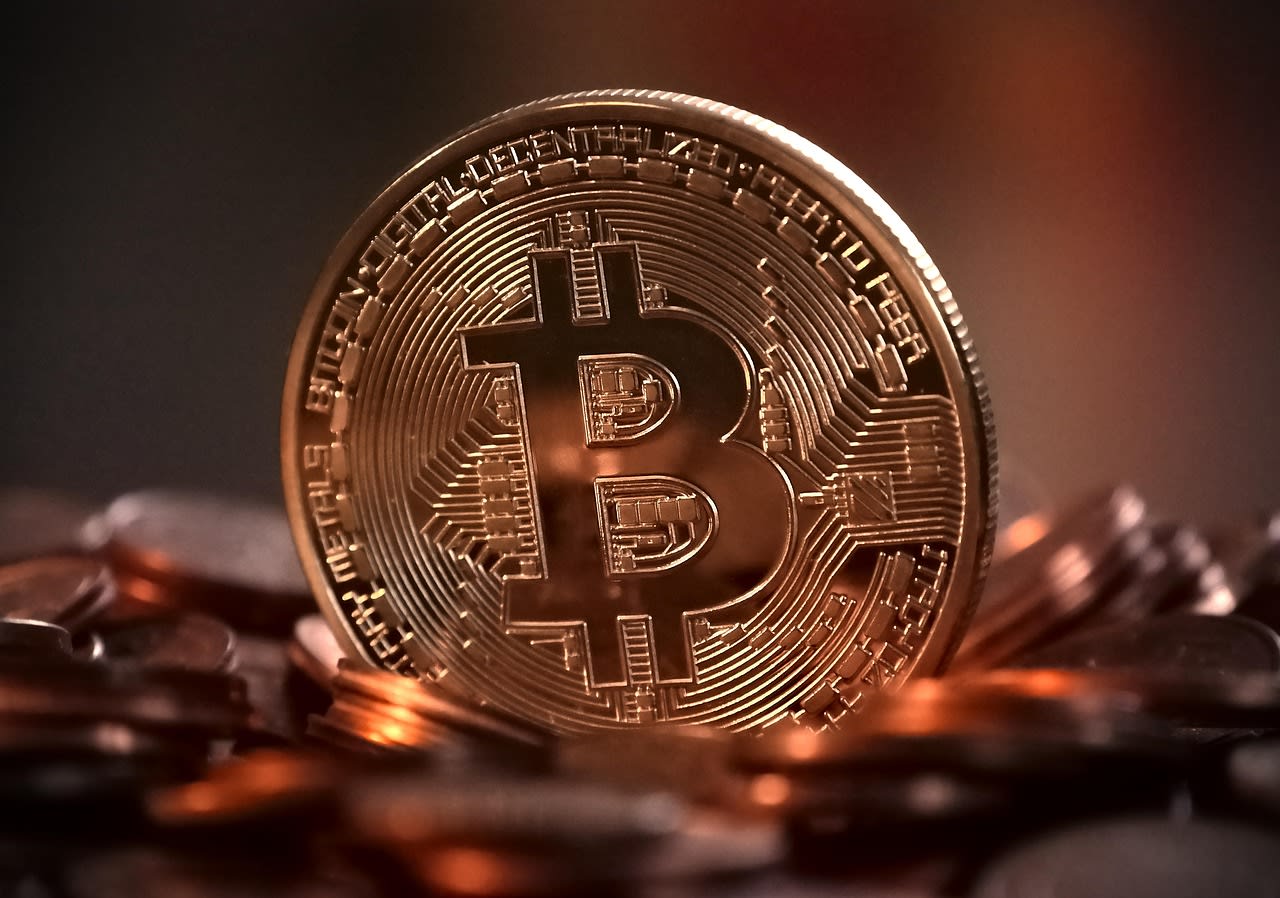
$850 million. That's the figure the Wall Street Journal says moved through Binance accounts allegedly tied to Iran. Binance says that number is fabricated. One of them is wrong, and the answer matters more than most traders are giving it credit for right now.
The WSJ Has Been Hunting Binance for Years and This Is Not the First Shot
The Wall Street Journal has published multiple investigative pieces targeting Binance over the past few years. This latest report, published in May 2026, alleges that Binance processed transactions connected to Iranian entities totaling around $850 million. Binance's response was immediate and direct. The exchange publicly disputed the report's findings, calling the methodology flawed and the conclusions misleading.
This is not a new playbook. Large media institutions have historically used leaked data, on-chain forensics from third-party firms, and anonymous sources to build cases against crypto exchanges. Sometimes they're right. Sometimes they're selectively reading the data to land a headline.
Binance's Defense Is Specific, Not Just Noise
Binance did not issue a vague denial. According to reporting from The Block, Binance challenged the specific framing of the transactions in question. The exchange argued that the WSJ mischaracterized the nature of those flows and pushed back on how the data was sourced and interpreted.
That specificity matters. When a company just says "we deny everything," that's a red flag. When they challenge the methodology, you at least have a debate worth watching. Whether their defense holds up under scrutiny is a different question entirely.
Iran Sanctions Violations Are Not a Minor PR Problem
Let's be clear about the stakes here. Violating US sanctions related to Iran is a federal criminal matter. The Office of Foreign Assets Control, known as OFAC, has the authority to impose massive fines and pursue criminal referrals. Binance already paid a $4.3 billion settlement in late 2023 related to anti-money laundering and sanctions violations. That settlement covered multiple charges, and Binance's founder Changpeng Zhao stepped down as part of the resolution.
A new round of Iran-linked allegations, even if disputed, lands on top of a compliance history that regulators have already scrutinized intensely. Binance is not operating from a position of clean reputation here. That context is impossible to ignore.
Most People Do Not Know This About How On-Chain Iran Tracing Actually Works
Here is the part most crypto blogs skip entirely. Tracing transactions to Iranian entities is not as clean as saying wallet X sent funds to wallet Y in Tehran. Blockchain analytics firms like Chainalysis and Elliptic use cluster analysis, IP data, exchange KYC records, and behavioral heuristics to attribute wallets to geographic or political entities. That process has real error margins.
When a firm says a transaction is "Iran-linked," they often mean it passed through an address cluster associated with a suspected Iranian actor based on probabilistic matching. That's not the same as a wire transfer stamped with a Tehran bank account number. The distinction matters enormously if you're building a legal case or a journalism investigation around that data.
The WSJ Has Real Sources, But It Also Has Incentives
Institutional media and crypto have a complicated relationship. The WSJ has broken legitimate stories, including early coverage of FTX before its collapse in late 2022. Their investigative team is serious. But every major outlet also has editorial incentives, and "Binance laundered $850 million for Iran" is a story that generates massive traffic.
The Block, which covered Binance's dispute directly, provides a more measured read of the situation. They reported Binance's rebuttal without amplifying either side as definitively correct. That kind of coverage is more useful to a trader than a headline designed to maximize outrage.
Where This Sits in the Broader Regulatory Squeeze on Crypto
The timing of this report is not accidental. Crypto regulation in 2026 is still in a state of active negotiation in the US and globally. The CFTC and SEC continue to push for expanded jurisdiction over digital assets. Binance, despite its prior settlement, remains one of the largest exchanges in the world by volume. Any new allegations keep regulatory pressure elevated and give lawmakers ammunition to push for stricter exchange oversight.
Bitcoin sitting at $76,819 on May 24, 2026 tells you that the market has not priced in existential risk from this story. The market is watching, but it is not panicking. That is a signal worth noting.
Kraken Exists in This Conversation for a Real Reason
When exchange-level compliance risk gets elevated, the question of where you hold your trading account becomes practical, not theoretical. Kraken has maintained a relatively clean regulatory record in the US and has pursued licensing proactively. If Binance faces new enforcement action, trading pairs and liquidity can shift fast. Having an account on Kraken is not about abandoning Binance. It's about having optionality when exchange risk spikes.
Diversifying across two or three reputable exchanges is standard risk management for anyone trading more than casual amounts. One exchange going dark, getting frozen by regulators, or temporarily suspending withdrawals can cost you access to your funds at the worst possible time.
Self-Custody Is Still the Answer Nobody Wants to Hear
Every time an exchange faces regulatory heat, the case for self-custody strengthens. Not your keys, not your coins is not a meme. It is the only form of insurance that does not depend on a company staying solvent and compliant.
A hardware wallet like Trezor removes your Bitcoin from exchange custody entirely. If Binance gets hit with asset freezes, enforcement action, or operational disruptions, your coins on a Trezor are unaffected. The Binance settlement in 2023 involved significant user anxiety about fund access during the fallout. That should have been a permanent lesson for anyone still keeping long-term holdings on any exchange.
The Contrarian Take Nobody Is Running With Right Now
Here is what most of the coverage gets wrong. The narrative frames this as Binance versus the WSJ. The real story is that the regulatory and media apparatus is increasingly capable of applying sustained pressure to any exchange, regardless of size. Binance is not uniquely corrupt. It built fast, moved into global markets aggressively, and outpaced its compliance infrastructure. That is not rare in crypto. It is the standard playbook.
If the WSJ applied the same investigative resources to every major financial institution's exposure to sanctioned entities, the headlines would not stop for years. The crypto industry gets disproportionate scrutiny partly because the data is public on the blockchain. Traditional finance hides the same problems behind institutional opacity and legacy relationships with regulators.
What a New Enforcement Action Would Actually Mean for BTC Price
If the DOJ or OFAC opens a new formal investigation into Binance based on these allegations, the immediate market impact on Bitcoin would likely be a sharp sell-off driven by fear, followed by a recovery as traders recognize that Binance's compliance issues do not change Bitcoin's underlying fundamentals. We saw this pattern during the 2023 settlement. BTC dropped, absorbed the news, and moved on.
The real damage from a prolonged enforcement action would be liquidity fragmentation. Binance processes an enormous share of global BTC volume. A significant operational disruption would push volume toward Coinbase, Kraken, and OKX. Price discovery gets messier. Spreads widen temporarily. That creates both risk and opportunity depending on your position.
What You Came In Thinking That Is Probably Wrong
Most people reading this story assume Binance is guilty because of its prior settlement. That assumption needs pressure-testing. The 2023 settlement covered anti-money laundering failures and sanctions violations that Binance admitted to. It does not mean every subsequent allegation is automatically true. Companies under regulatory microscopes attract accusations, some valid, some opportunistic. Treating prior guilt as proof of current guilt is lazy analysis. Evaluate this specific claim on its specific evidence, which is still contested as of May 24, 2026.
Watch This, Not the Headlines
Track whether the Department of Justice or OFAC issues any formal statements or investigation notices related to this WSJ report. A media story is noise. A federal investigation notice is signal. If you see official enforcement language emerge in the next 30 days, that is the moment to reassess your exchange exposure and make sure your BTC is where only you control it.
Disclosure: This post contains affiliate links to Trezor and Kraken. BitBrainers may earn a commission at no extra cost to you. This is not financial advice.
Sources
The Block. Binance disputes latest WSJ report on alleged Iran-linked transactions
BitBrainers. We check the facts so you don't have to.