
Most traders find out about a rug pull the same way. They refresh their portfolio, see a zero, and spend twenty minutes convincing themselves it's a glitch. It is not a glitch. The liquidity is gone, the dev wallet vanished three blocks ago, and you were the exit liquidity.
The gap between when a rug happens and when you notice is usually measured in seconds. AI is starting to close that gap before the pull even triggers.
Rug Pulls Have Predictable Fingerprints That Humans Miss in Real Time
A rug pull is not random. It follows a pattern: token deploys, liquidity gets added, social buzz gets manufactured, wallets accumulate, then the top wallet dumps and pulls liquidity in the same transaction bundle. That sequence leaves forensic traces at every step, and most of those traces are detectable before the final move.
The problem is that a human watching a Telegram channel cannot process 47 wallet interactions, a suspicious mint function buried in contract bytecode, and a liquidity lock with a 48-hour expiry all at the same time. An AI system running on-chain data can flag all three in under a second. The bottleneck was never the data. It was processing speed.
On-chain analysis tools now monitor token contract deployments in real time, scanning for known dangerous function signatures like hidden mint calls, owner-only transfer restrictions, and blacklist mechanisms baked into the code. These are not theoretical red flags. They are the literal code that lets a dev drain a pool or freeze your tokens so you cannot sell.
Smart Contract Analysis Is the First Layer and Most Traders Skip It
Before a single dollar of liquidity goes in, the contract already tells you most of what you need to know. AI-powered scanners read the compiled bytecode and flag functions that allow the owner to modify taxes to 99%, pause trading, or mint unlimited supply. These functions are not bugs. They are intentional backdoors.
Tools like Token Sniffer and Honeypot.is have been running this type of contract analysis for years. They cross-reference function signatures against databases of known exploit patterns. The limitation is that they are reactive. They catch the patterns they have already seen.
The more sophisticated AI layers now use classification models trained on thousands of confirmed rug contracts, and they flag novel patterns that do not match any known signature but statistically resemble the structural profile of past rugs. That is the actual upgrade. Pattern recognition on structure, not just known code fingerprints.
Wallet Clustering Reveals the Dev Before the Dev Reveals Themselves
Here is what most people outside of on-chain analytics firms do not know: a rug pull team almost always funds their deployment wallet from the same upstream source as their last rug. They use mixers, sure, but mixing is imperfect, and the timing and denomination patterns of mixer outputs are themselves traceable. AI graph analysis can cluster wallets by behavioral similarity even when direct links are obscured.
Arkham Intelligence and Nansen both use entity clustering to map wallet relationships. When a new token launches and the deployer wallet shares behavioral DNA with 3 previous rugged tokens, that is a signal the tools can surface in seconds. A trader manually checking Etherscan would never connect those dots before the rug.
The dev wallet behavior in the 6 to 12 hours before a rug also follows a consistent pattern. Small test transactions, LP position adjustments, sometimes a final small buy to pump price and trigger FOMO buys. AI systems monitoring mempool activity can detect that pre-rug signature even before it executes on-chain.
Liquidity Lock Analysis Is Easier to Game Than You Think
Liquidity locks are the one piece of rug pull prevention that retail traders learned to demand. See a lock, feel safe. This is the assumption that will get you rugged in 2026. A lock on Unicrypt or Team Finance means nothing if the lock duration is 24 hours, the lock covers only a fraction of the pool, or the locked token is the LP token for a pool the dev controls.
AI tools now break down the lock parameters in plain language and flag whether the lock percentage, duration, and locker contract actually provide meaningful protection. A 30-day lock on 40% of liquidity is not safety. It is a countdown timer with a marketing wrapper.
The more important signal is what happens to liquidity velocity after the lock expires. AI systems monitoring pools in real time can detect when large LP positions start moving in the hours surrounding an expiry, sometimes before the window even opens, because the dev is staging the exit. That staging behavior, withdrawal from staking contracts, bridging of connected wallets, and gas top-ups on exit addresses, is detectable and is increasingly being flagged automatically.
The Real-World Failure Case That Shows Where AI Still Falls Short
The Magnate Finance collapse on Base is a documented case where multiple warning signals were present and largely ignored until it was too late. The deployer wallet had connections to a previous protocol exploit, the contract contained admin functions that should have triggered scanner alerts, and the liquidity behavior in the final hours before the drain showed abnormal patterns. The on-chain data was there. The tools existed. The integration between the warning and the trader was broken.
That gap between the signal and the user action is where most rug pull losses still happen. AI detection is only useful if the output reaches you before you transact, not after. The tooling layer is ahead of the user interface layer by a significant margin right now.
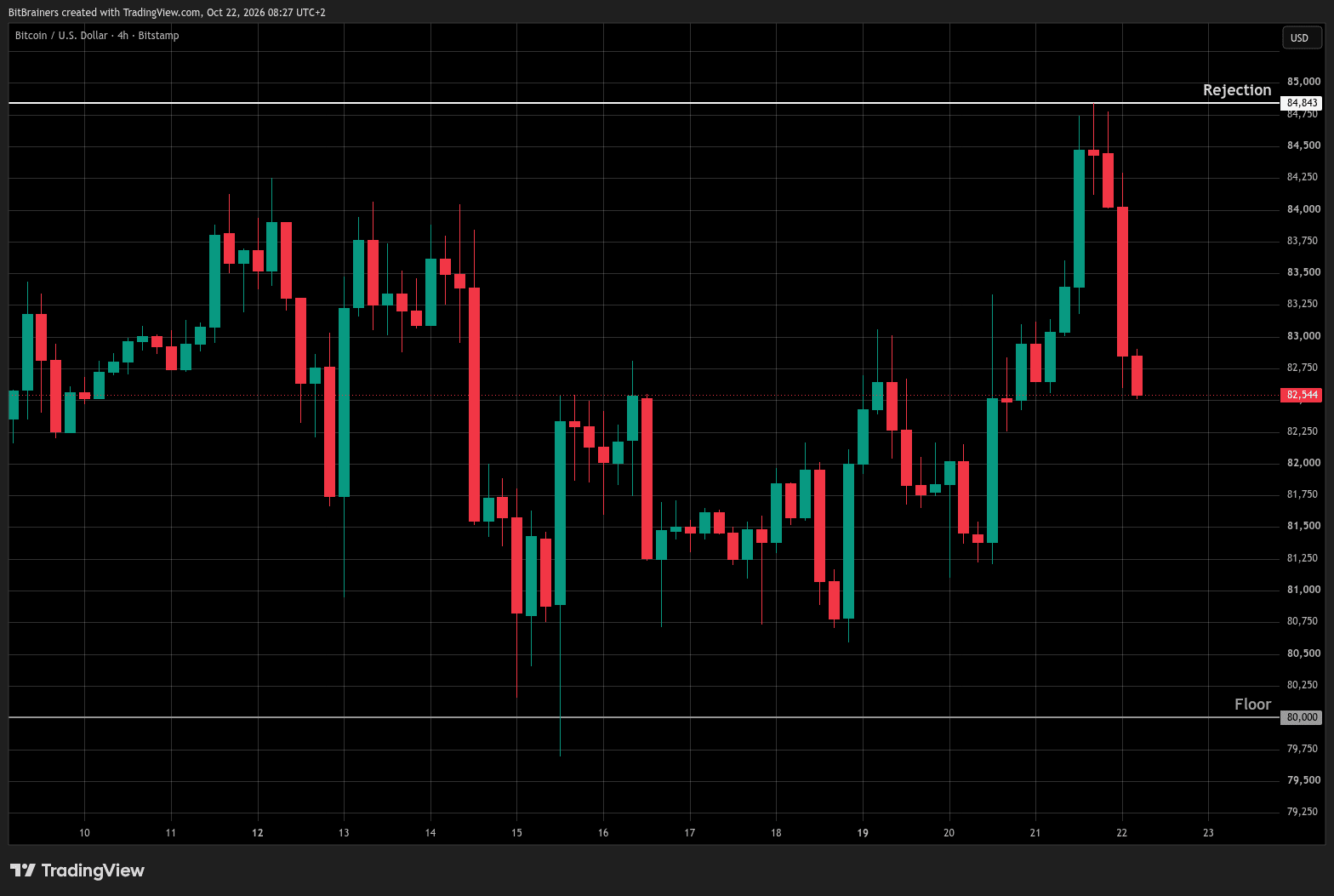
BNB Chain remains the highest-volume environment for rug pulls because deployment costs are low and the dev community is anonymous by default. AI monitoring on BNB Chain is more mature than on newer chains precisely because the data set is larger. Newer chains like Base and some Solana ecosystems have less training data, which means AI models are less reliable there. This week, Solana meme token activity has spiked again alongside BTC hovering at $76,528, and that correlation between BTC sideways movement and alt token FOMO is exactly the environment where rug frequency historically climbs.
Contrarian Take: AI Detection Tools Are Already Being Used to Build Better Rugs
This is what the rug pull tutorial threads on closed Telegram channels are actually discussing right now. Sophisticated scam teams run their own contracts through Token Sniffer, Honeypot.is, and similar tools before they deploy. They iterate until the contract gets a clean score. Clean score, real launch, rug anyway.
The AI arms race is real. A contract that passes all automated checks but still has a multi-sig admin wallet with a 24-hour timelock can still be drained. The tools detect what they are trained to detect. The scam ecosystem actively trains against those detections. This does not mean the tools are useless. It means you cannot rely on a single scanner and think you are protected. You need layered analysis.
The Setup That Actually Works for Active Traders
Running a workflow where you combine contract scanning, wallet clustering, and liquidity monitoring gives you a detection layer that is hard to beat at the speed retail traders operate. The practical stack looks like this: Token Sniffer or Go Plus Security for contract analysis, Bubblemaps for wallet distribution visualization, and Arkham or Nansen for entity history on the deployer address. None of these tools alone is sufficient. Together they cover the three main attack vectors.
For anything you plan to hold longer than a few hours, move it off exchange immediately after your entry. A Trezor hardware wallet keeps your stack cold even while your scanning tools stay hot. The tokens a rug pull cannot touch are the ones sitting in a wallet only you control.
For the exchange side, if you are converting profits or bridging back to BTC after a successful alt trade, Kraken has reliable liquidity and a compliance track record that matters when you are moving real volume. Use regulated infrastructure for your exit routes. Use cold storage for your holdings. Do not mix those two functions up.
The Assumption This Post Is Asking You to Drop
You came into this post believing that AI rug pull detection is a tool for degens trading micro-cap garbage. It is not. The same on-chain behavioral analysis that catches a $200k rug on BNB Chain is being applied to mid-cap DeFi protocols with nine-figure TVL. The attack surface is not limited to obvious scam tokens. Smart contract exploits, admin key compromises, and governance attacks all leave pre-execution signals that the same AI frameworks are designed to catch. The scale of the target does not change the forensic method. Treating rug pull detection as a niche tool for low-cap plays is the assumption that leaves serious traders exposed on serious positions.
The one thing to try first: run the contract address of your next planned DeFi entry through Go Plus Security's API before you touch it. Free, takes four seconds, and will immediately show you whether the contract has mint functions, blacklist capabilities, or trading pause controls. Do that once and you will do it every time.
Disclosure: This post contains affiliate links to Trezor and Kraken. BitBrainers may earn a commission at no extra cost to you. This is not financial advice.
BitBrainers. Follow the data, not the noise.


No comments:
Post a Comment