The Carry Trade
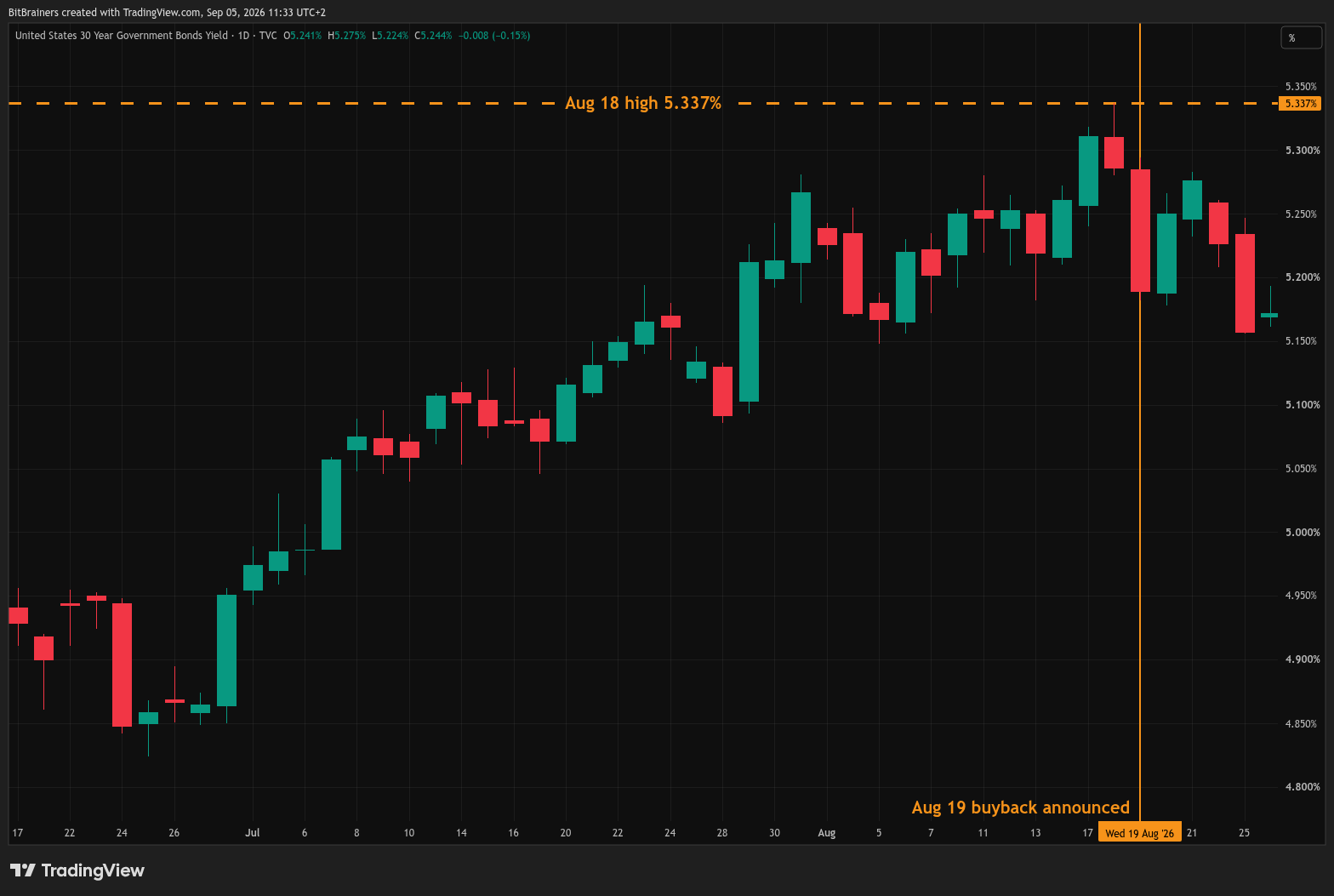
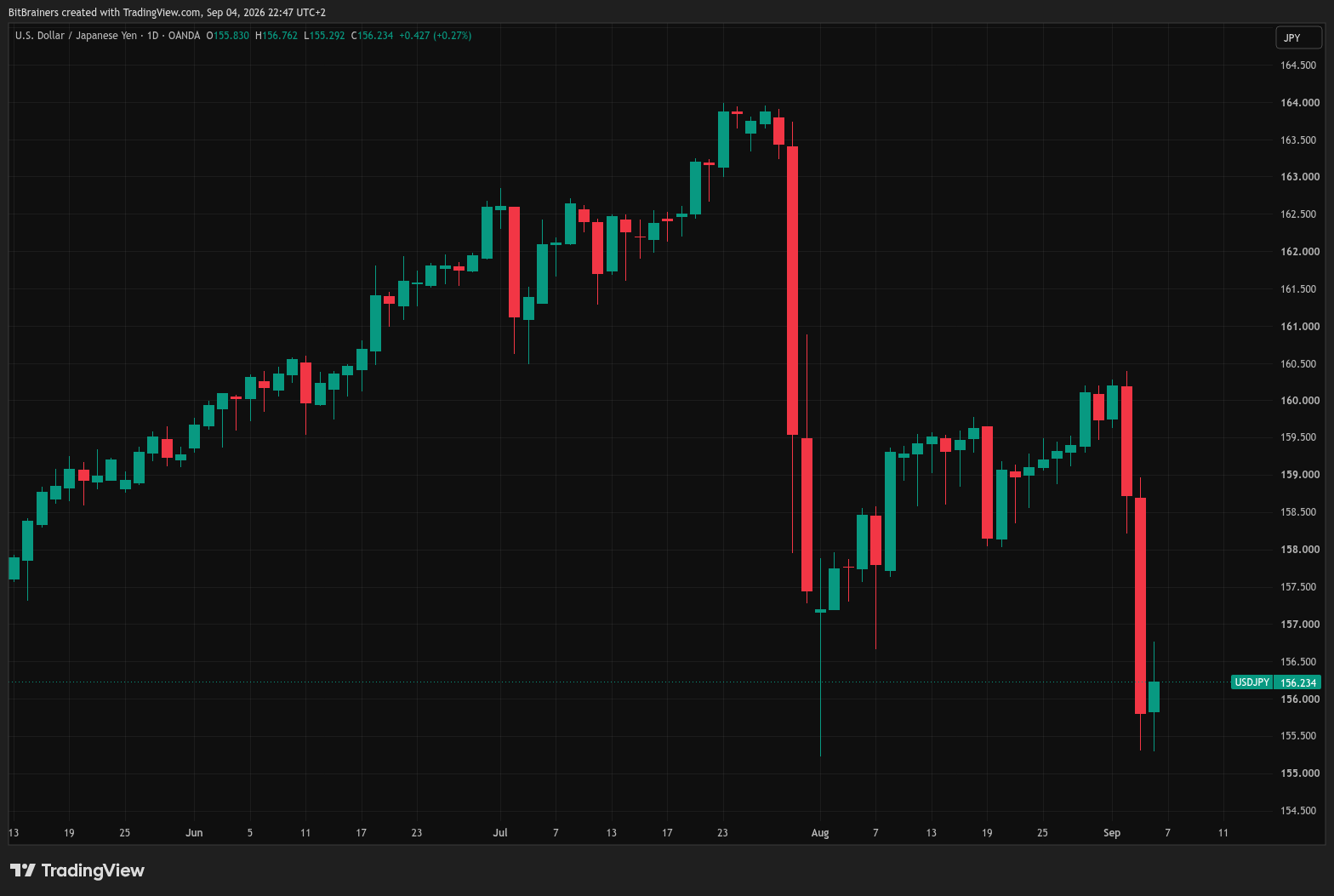
The mechanics are straightforward and widespread. Borrow yen at low rates, convert to dollars, and buy U.S. stocks, bonds, or crypto with leverage. The loan must be repaid in yen. When the yen strengthens, the repayment cost rises. When the central bank that issues the yen turns hawkish at the same time the Fed is leaning the same direction, both legs of the trade tighten together instead of one offsetting the other. Dollar funding gets more expensive, and so does yen funding. Collateral has to be sold to cover the position.
Hundreds of billions of dollars in yen carry trades are estimated to be outstanding. CFTC data released today shows hedge funds increased yen shorts before the latest surge. The carry trade was already crowded when the BOJ turned hawkish. A one-sided book unwinds on small moves. The first margin call is enough.
That selling pushes the yen higher and forces the next wave of margin calls. This already happened in August 2024, when a surprise BOJ hike triggered a rapid unwind that sent the Nikkei down sharply in a single session and dragged global equities lower with it.
The U.S. Data
The U.S. side of the same squeeze received its data point this morning. August payrolls printed 162,000 against consensus of 53,000 to 65,000. The Bureau of Labor Statistics revised June up 11,000 and July up 44,000, so the prior two months are now 55,000 stronger than they looked on Thursday. Inflation hit 4.2% in May, a three-year high. The funds rate sits near 3.6%. After today's number the market is treating a September move toward 3.9% as a live option rather than a cut. Bitcoin opened near $81,272, sold off to $78,645 within minutes of the release, and recovered to around $79,740 by late afternoon. The first leg was leveraged longs getting liquidated; spot followed because that is how the venues are wired.
The Fed
Kevin Warsh has run the Fed since May 22. He inherited the inflation print and a president who wants rates lower regardless of the data. Warsh's answer has stayed consistent: the Fed has been independent for a long time and that is not changing.
The President
Trump posted on Truth Social at 9:41 a.m. ET, a little more than an hour after the payrolls release. He argued that growth does not cause inflation, that the market should have rallied on the jobs number instead of selling off, and demanded lower rates. The post was aimed at Warsh. The broader pressure campaign does not stop at the Fed. Trump has spent the year arguing against tightening anywhere, and the argument does not change depending on which central bank is doing the tightening. Two banks are leaning the same direction this week. One president is publicly arguing against both of them from the same account, in the same tone.
The Takeaway
Neither central bank has actually moved yet. Warsh does not have to hike on one jobs report. The BOJ does not have to deliver a large move on two hawkish comments. What is already true is that both are signaling the same direction at the same time, a sitting president is demanding the opposite from both, and the carry trade underneath it all is large enough to have broken markets once before without asking anyone's permission.
Get the weekly research every Monday.
Subscribe to the Weekly Briefing →Sources
Bureau of Labor Statistics
ZeroHedge
TD Economics
CNBC
Reuters
TradingView
This is market commentary, not financial advice. Nothing here is a recommendation to buy or sell any asset. Do your own research.