For five years I sat on the senior desk of a multi-regulated brokerage and watched retail traders lose money. Not occasionally. Constantly, predictably, and in almost exactly the same way every time. The disclaimer we were legally required to publish changed every month, and every month it said the same thing in different words: somewhere between 75 and 90 percent of retail accounts lost money. I did not read that as a statistic. I watched it happen, one account at a time, from the seat that saw all of it.
This is not a post about strategy or indicators. It is about the pattern underneath the losses, the one that repeats regardless of the market, the instrument, or how smart the person is. If you hold Bitcoin, trade crypto, or are thinking about leverage, this is the wall most people walk into without seeing it. I saw it hundreds of times. Here is what it actually looks like.
Read also: Bitcoin Hasn't Bottomed Yet and There's One Dead Simple Way to Prove It
The Trap Starts With Winning
Here is the part nobody expects. The blow-up almost never starts with a loss. It starts with a win. A new trader learns a handful of candlestick patterns, takes a position around a news event, and it works. Maybe it works twice. And in that moment something shifts in their head. They stop seeing it as luck and start seeing it as skill. They conclude they have figured out how the market works.
That is the most dangerous moment in a trader's life, and it looks like success. I watched it again and again. The early win is what makes them refuse help. They would go from asking questions to brushing off guidance inside a week, because why would you listen to anyone when you already know how to win? The market had not taught them anything yet. It had simply not punished them yet. There is a difference, and the gap between those two things is where the account dies.
Then The Refusal
Once someone believes they have cracked it, they close the door. This was the hardest part to watch, because the help was right there. Our policy was to call clients before they entered the danger zone. A warning before the account hit the wall was mandatory, not optional. The phone would ring. And people would not pick up.
Think about what that means. A human being whose job was to tell you that you were about to lose your money was calling you, and traders let it go to voicemail. Not because they were reckless people. Because picking up meant admitting the thing was going wrong, and the early win had convinced them it could not be going wrong. Avoiding the call felt better than facing the screen. The avoidance is the tell. The moment you do not want to look is the exact moment you most need to.
You Might Also Like
The Capital That Was Never Enough
Underneath the psychology there was a mechanical killer that finished most accounts: not enough money to survive a normal drawdown. People came in undercapitalized, took positions sized for an account twice the size, and the first ordinary move against them triggered a margin call they could not meet. The market did not need to crash. It just needed to breathe in the wrong direction for a day.
This is the quiet math that the candlestick videos never mention. Leverage does not just multiply your gains, it shortens your runway. A position that would survive a 10 percent move on a funded account gets liquidated on a thin one, at the worst possible moment, locking in the loss right before the market often turned back. I watched accounts get wiped on moves that, had the trader simply had cushion, would have been a bad week instead of the end.
The Cycle That Kept The Door Spinning
After the loss, the two types split. The traders with money almost always wanted to win it back. That instinct, the need to make the account whole, is the most expensive feeling in finance. It is not trading anymore, it is chasing, and chasing is how a recoverable loss becomes a total one. They would add funds, size up, and dig deeper, because stopping meant accepting the loss was real. The cycle fed on the one emotion that should never touch a position: the refusal to be wrong.
The traders without money simply went quiet. They stopped answering, disappeared, and the account went cold. The painful part is what came next. A large share of them came back months or years later and started the exact same cycle again, because the lesson the first time was financial, not behavioral. The money was gone but the pattern was intact, waiting for the next deposit.
What The Desk Taught Me
Five years on that desk did not teach me a secret strategy. It taught me that the market rarely kills people. People kill their own accounts, in a sequence so consistent I could often see it coming before they could. Win early. Mistake luck for skill. Refuse help. Trade too big for the capital. Avoid the warning. Chase the loss. Repeat.
None of that is about being smart. The smartest clients blew up just as reliably as anyone, sometimes faster, because intelligence made them more certain. The traders who survived were not the ones with the best setups. They were the ones who stayed humble after a win, kept enough capital to be wrong without being wiped, answered the hard phone call, and walked away from the chase. That is the whole game. It is boring, it is unglamorous, and it is why most people will not do it.
If you are sitting on Bitcoin or thinking about leverage, you do not need to learn a hundred patterns. You need to not become the account I watched die a hundred times. Stay humble, stay funded, stay present, and never trade to win back what is already gone.
On The Radar This Week
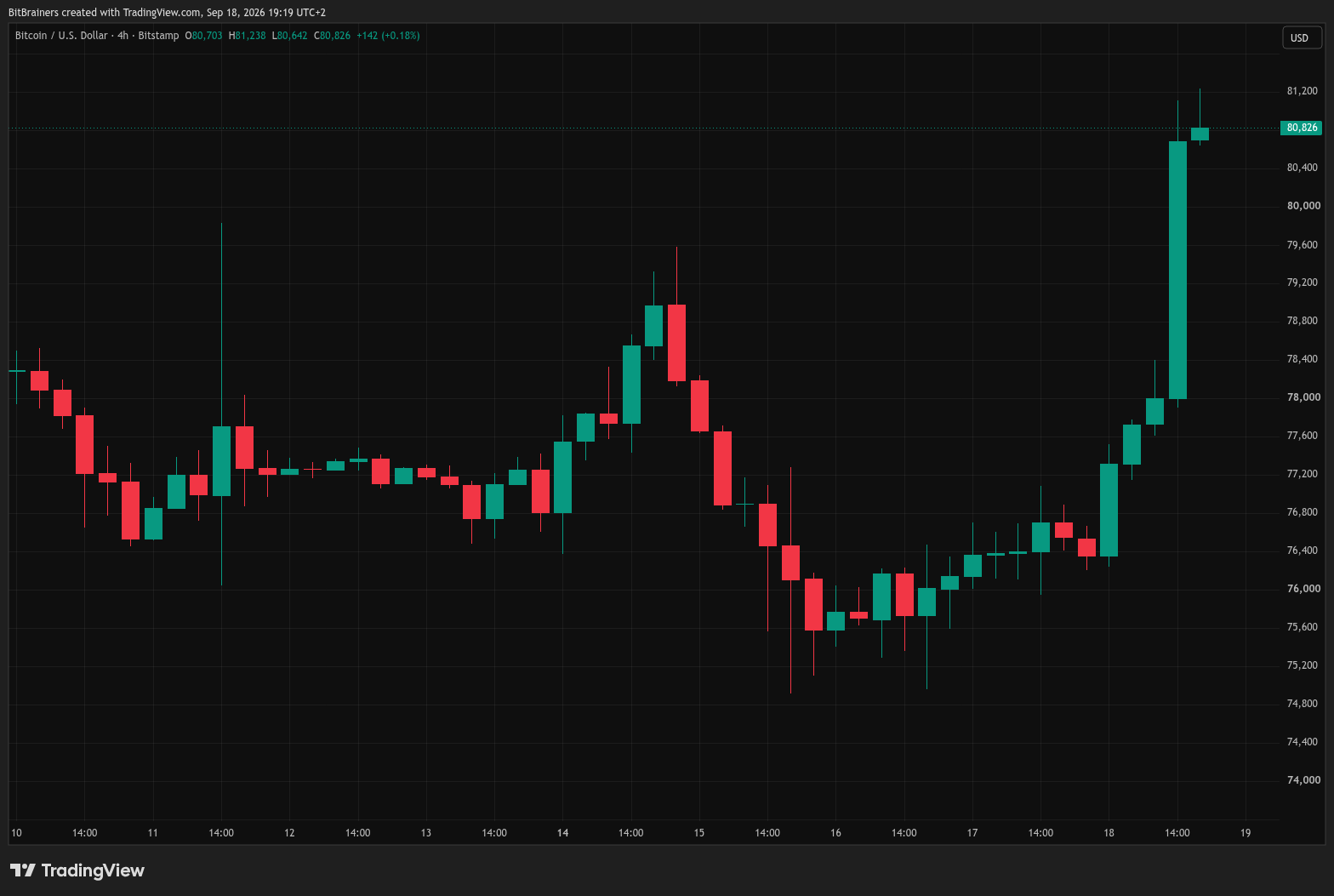
The Federal Reserve decides on rates June 17 under new chair Kevin Warsh, with the market pricing near-certainty of no change, which makes the tone the only thing that matters. Bitcoin sits in the mid $66,000s after a peace-deal relief rally, holding above $66,000 but yet to clear $68,000. The behavioral traps above do not care which way it breaks. They care whether you are oversized and overconfident when it does.
BitBrainers. We check the facts so you don't have to.
Disclosure: Nothing in this post is financial advice. It is drawn from personal experience on a regulated brokerage desk and reflects general patterns, not guidance for any individual trade.
— BitBrainers Editorial