By BitBrainers Editorial
A Hearing With No Vote and Plenty of Leverage
The CLARITY Act sits on the Senate Legislative Calendar with no floor vote scheduled. Prediction markets put the odds of passage this year at roughly 43%, down from the low seventies earlier this year.
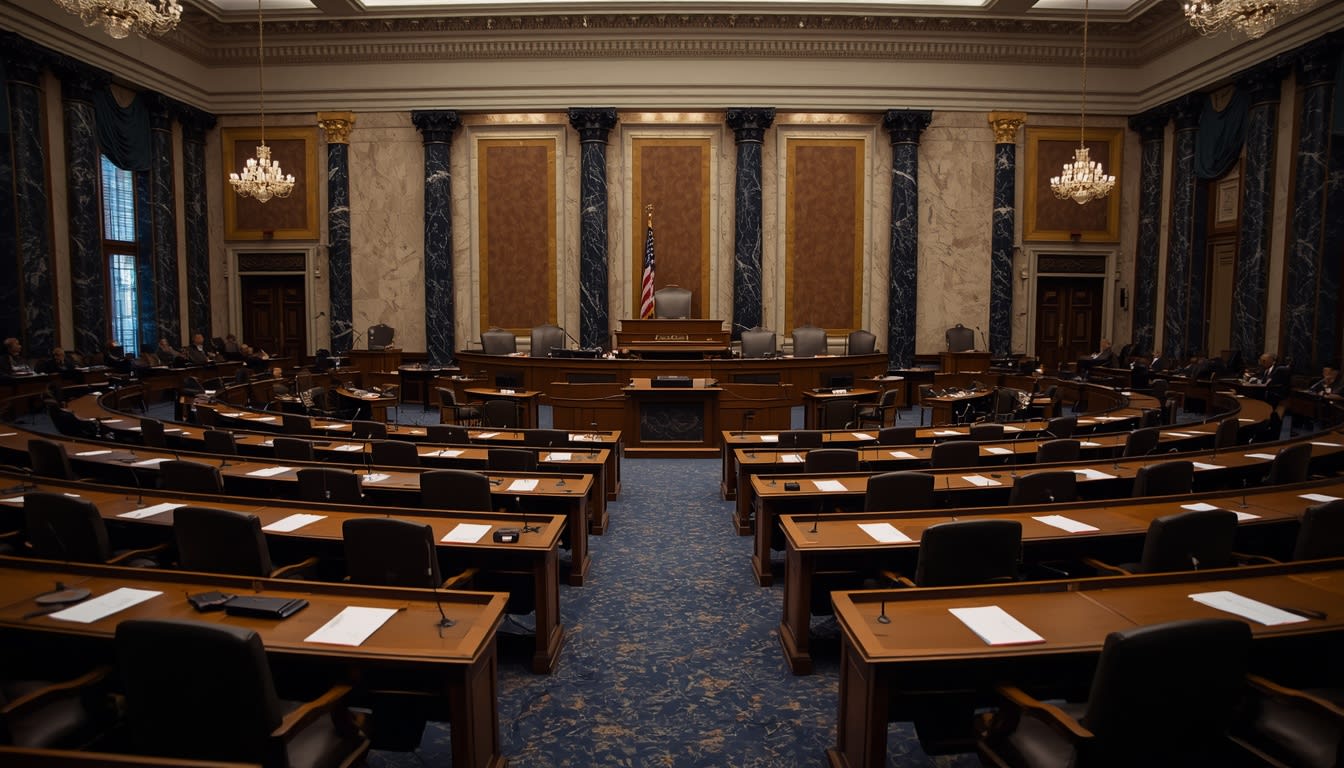
Friday's session is pressure, applied publicly. Holding it in New York instead of a Capitol Hill committee room puts the exchanges, banks, and asset managers who would live under the framework in the room, arguing that the US either hosts the next generation of financial infrastructure or watches it leave.
The date is not an accident either. The House passed the original bill on July 17, 2025. The hearing lands exactly one year later, with the Senate's window closing.
The Math Is Seven Democrats
The Senate Banking Committee advanced the bill 15 to 9 on May 14. All thirteen Republicans voted yes, joined by two Democrats, Ruben Gallego and Angela Alsobrooks. Both conditioned their committee votes on further negotiation before committing to anything on the floor.
Cloture requires 60 votes. Republicans hold roughly 53 seats. That means at least seven Democrats, and only two are even conditionally on record.
The holdouts want three things. Stronger anti-money-laundering language, after Senator Warren branded the bill "a ticket to sanctions evasion." Resolution on Section 604, the developer protections that critics say could shield illicit actors. And an ethics provision covering government officials who hold crypto, a demand aimed squarely at the president's family businesses, from stablecoins to mining operations.
The holdouts are not just stalling. The Warren camp's core argument is that Section 604 could shield developers whose tools end up serving sanctions evasion, and the banking lobby argues that even activity-based stablecoin rewards compete with insured deposits while carrying none of the same obligations. Whether those arguments hold up or not, seven Democrats need political cover to vote yes, and cover comes from concessions, not hearings.
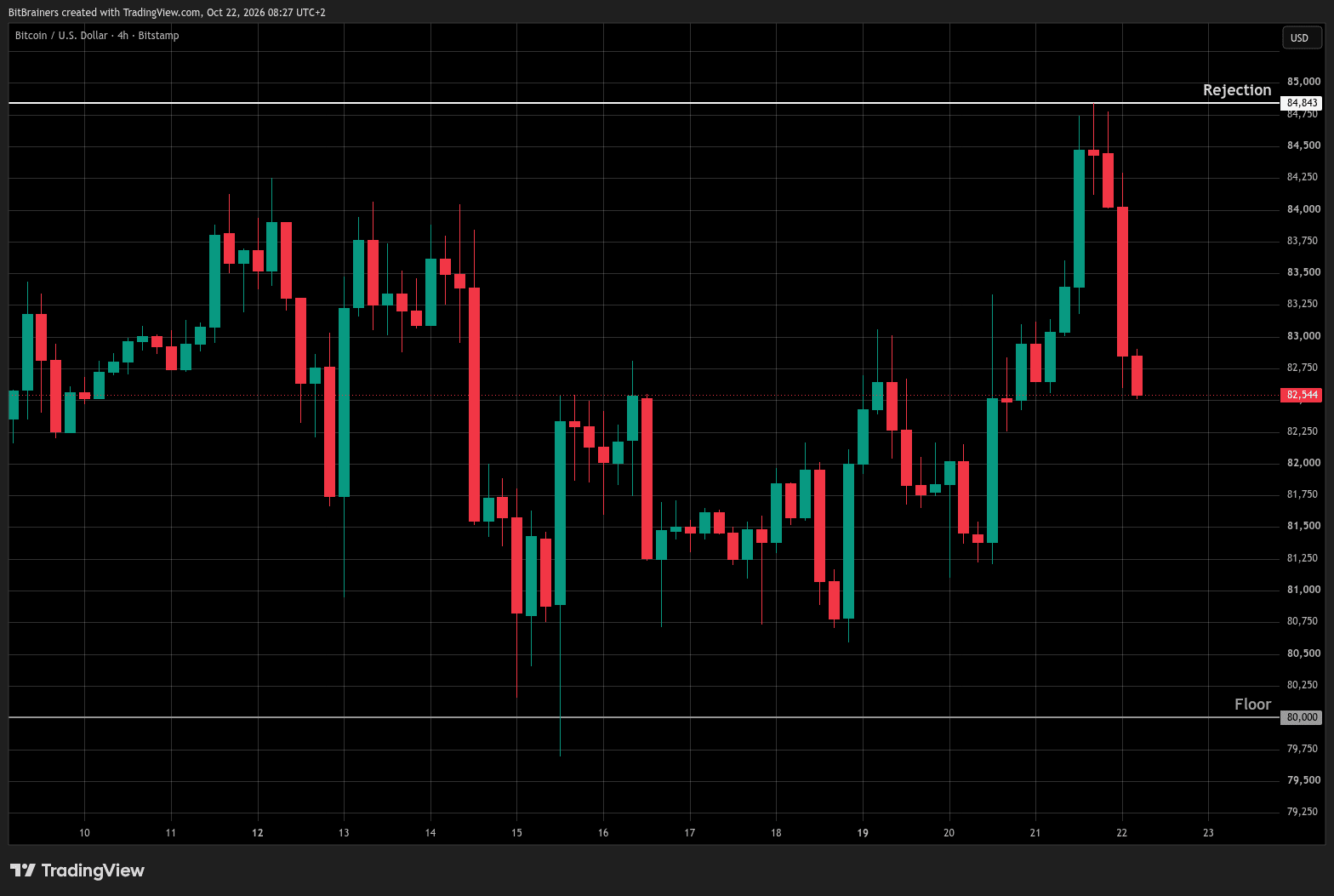
Washington moves markets more than charts do.
We track the policy, the flows, and the numbers behind the headlines. One email a week.
SubscribeThe Coinbase Reversal Tells You Where the Bodies Are Buried
In January, Brian Armstrong pulled Coinbase's support for the Senate draft an hour before a scheduled markup. The markup was cancelled. His stated objection covered several provisions, but the core of it was stablecoin yield: the Senate text restricted the rewards Coinbase pays users for holding USDC, a business that generated $355 million for the company in a single quarter.
The fix came in May. Senators Thom Tillis and Angela Alsobrooks brokered compromise language, now Section 404, that bans yield paid solely for holding a stablecoin while preserving rewards tied to actual activity: payments, transfers, staking, liquidity, loyalty programs.
Coinbase took the deal. This week its chief policy officer went on national television calling the bill the unlock for the company's "everything exchange" ambitions, tokenized stocks and stablecoin payments under one regulated roof. The company that killed the bill in winter is now its loudest advocate in summer. That reversal, more than any press release, tells you the industry believes this version can actually pass.
The Calendar Is the Real Opponent
Senator Lummis says the merged text combining the Banking and Agriculture Committee versions should land within days, with a possible floor vote the week of July 20. Galaxy Research projects a potential presidential signature the week of August 3 if everything holds, and puts passage odds at 60 to 75%, notably higher than the prediction markets.
The recess is the cliff. If the Senate leaves for August without a vote, the bill returns to a fall calendar that runs straight into midterm campaigning, where few Democrats will want to hand the administration a win on an asset class the president trades personally.
Lummis has said it plainly: failure in 2026 likely pushes the next realistic window to 2030.
Markets spent this week celebrating a soft inflation print instead. We covered why that rally rests on stale data: Bitcoin Pumped on Old News. Here Is What Actually Matters This Month.
What Friday Actually Signals
Watch three things in the hearing. Whether witnesses or members hint that the merged Senate text is genuinely close, whether Section 604 sounds like it is being negotiated or defended, and whether leadership talks about the bill as a July priority or an autumn project.
The market impact is asymmetric. Passage compresses the legal-risk premium priced into every US exchange, stablecoin issuer, and token network still caught between SEC and CFTC jurisdiction. Failure does not just maintain the status quo, it extends it for years, with the next Congress campaigning instead of legislating.
A hearing that cannot pass anything is still the clearest signal you will get this month about whether anything passes at all.
Sources
crypto.news CLARITY Act Senate Showdown: Why the July 17 Hearing Decides Crypto's 2026
CryptoSlate Crypto Finally Has a CLARITY Act Date, Delivery Now Depends on Seven Senate Democrats
Fortune Why Coinbase Split With a16z and the Crypto Sector on a Key Bill
The Crypto Times House Takes CLARITY Act to Wall Street With July 17 Innovation Hearing
The Crypto Times Coinbase Backs CLARITY Act to Unlock Its 'Everything Exchange'
This is market commentary, not financial advice. Nothing here is a recommendation to buy or sell any asset. Do your own research.