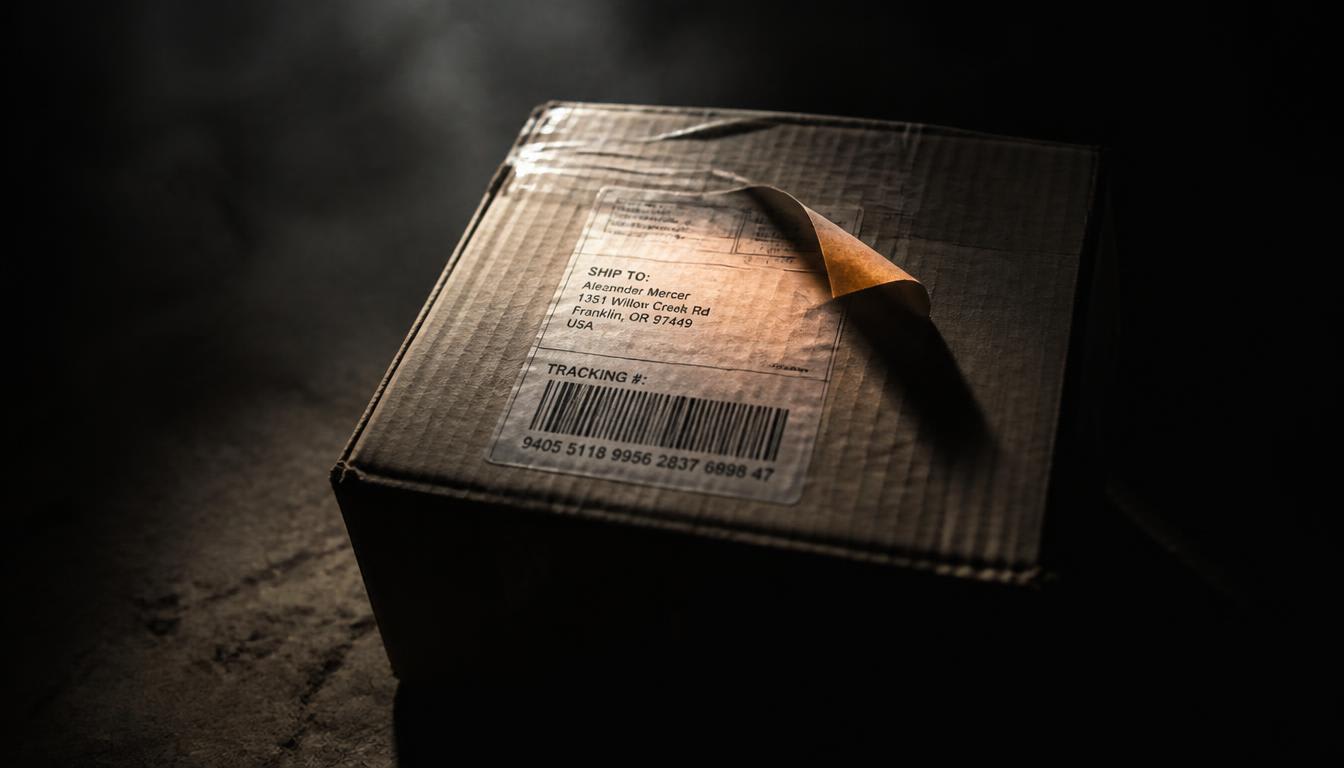
Trezor shipping breach scope, August 2026. Source: Trezor blog, ShipMonk disclosure.
By BitBrainers Editorial
Trezor's shipping provider got breached. Not Trezor's servers, not their firmware. A third-party fulfillment company called ShipMonk. Anyone who has tracked enough of these already knows the shape of it: the vendor holds the line, the vendor's vendor doesn't.
The Numbers
11,742 customers with full exposure — name, shipping address, phone number, email, all four together. Another 1,947 with partial exposure — name, city, email (sounds like less, until you remember that someone patient enough to fill in the rest doesn't need much more than that, and plenty of people have exactly that kind of patience for exactly this kind of target). Seven countries: US, UK, Sweden, Colombia, Brazil, Italy, Portugal. A ninety-day window running back from August 8th.
The Statement
Predictably, the statement leads with reassurance. Devices remain secure, systems remain secure. Technically accurate. Still not the point.
The Actual Risk
Somewhere there is now a list connecting real names to real home addresses to the specific fact that these people bought hardware built to hold bitcoin, and a list like that is worth more than a generic email dump from some SaaS tool nobody remembers signing up for, worth more than most of what gets filed under "breach" in a given month, worth enough that treating this as a routine notification email is the wrong instinct entirely.
Not exactly reassuring.
What Trezor Did Right
Trezor did limit the damage somewhat. Their ninety-day retention policy meant this wasn't years of order history sitting exposed, and they say they negotiated matching terms from their fulfillment partners. A real policy choice, not just a line in a statement. Credit where it's earned. ShipMonk, for what it's worth, handles fulfillment for a long list of consumer brands most people have ordered from this year without thinking twice. Back to Trezor specifically. They're the ones who actually have to answer for this.
The Gap Nobody Checked
Turns out the failure mode nobody built a checklist for is the one that just happened. Wallet security has entire industries built around it, firmware audits, entropy standards, open-source review, all of it pointed at the device itself. Nothing close to that discipline exists for what happens when a shipping partner's systems get compromised, and you already know which way that gap gets exploited first.
What To Do
If your name's on the list Trezor emailed, the advice doesn't really change from any other breach you've sat through by now. Expect sharper phishing attempts, ones that can reference your real address to sound legitimate. Never enter a seed phrase into anything with a screen you didn't set up yourself. Stop posting your hardware wallet setup anywhere a stranger could connect it to a delivery window.
Two hardware wallet companies, one stretch of two weeks, two completely different failure points, the same lesson underneath both of them for anyone paying attention to the pattern instead of just the headline.
Get the Weekly Brief
One email. Monday morning. The stories that actually move your bitcoin's security, not just its price.
SubscribeSources
Trezor Recent customer data exposed in shipping provider incident
Tools: Kraken for trading. Trezor for storage.
This is market commentary, not financial advice. Nothing here is a recommendation to buy or sell any asset. Do your own research.