By BitBrainers Editorial
What the Jobs Report Actually Said
Nonfarm payrolls rose just 57,000 in June, well below the roughly 110,000 to 115,000 consensus. The miss did not land on a strong trend either.
May was revised down to 129,000 and April to 148,000, removing 74,000 jobs from the prior two months combined. Three months ago this labor market was printing upside surprises. It is now decelerating, with revisions pointing the same direction.
The headline unemployment rate fell to 4.2 percent, and that number is doing a lot of misleading work in the coverage. The rate fell because labor force participation dropped 0.3 points to 61.5 percent, its lowest level since March 2021.
The household survey counted 507,000 fewer people employed in June. Unemployment did not fall because more people found work. It fell because people stopped being counted.
Markets read the report as dovish anyway, and for rate expectations that reading is correct. A labor market this soft gives the Fed no case for a hike. But dovish-because-weak is not the same fuel as dovish-because-healthy, and the difference matters for how far any risk rally can run.
One Green Day in the ETF Data
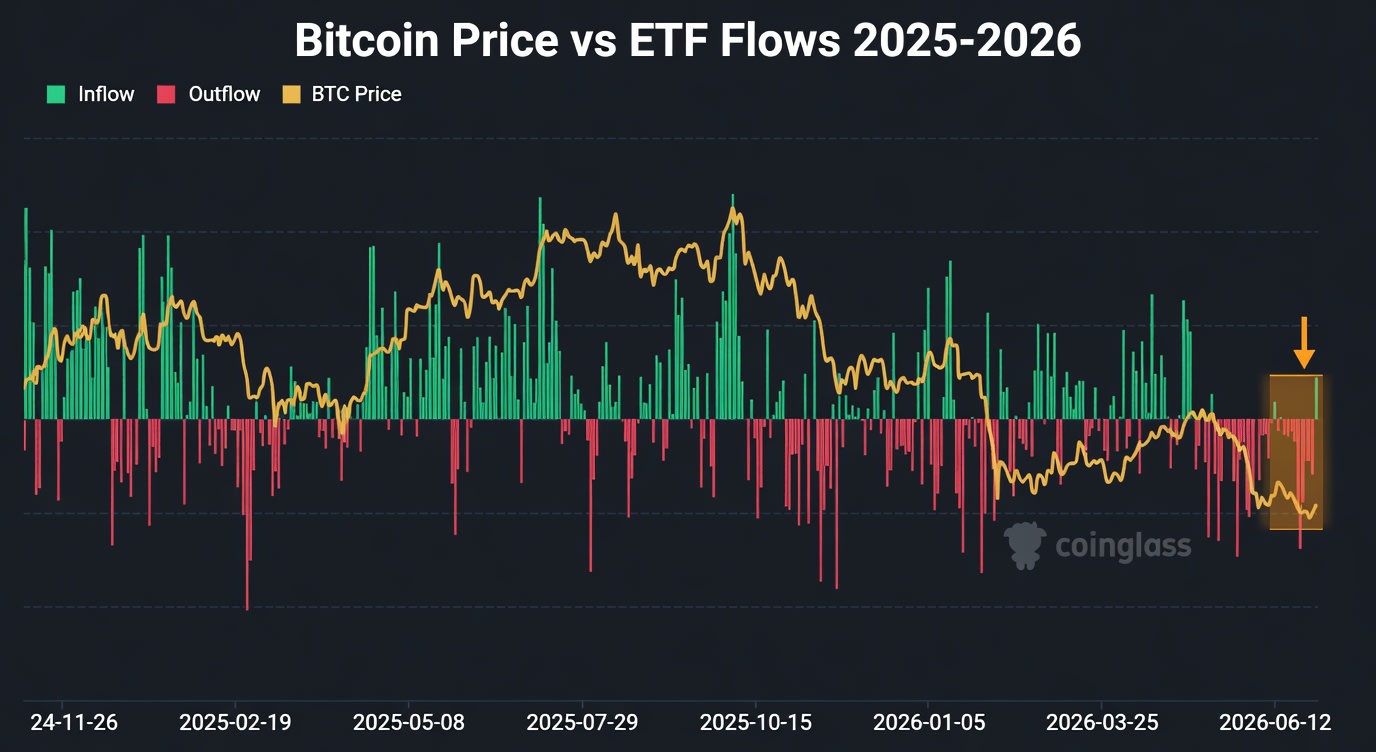
The second catalyst came from the flow side. US spot Bitcoin ETFs recorded a net inflow of roughly $221 million on July 3, the first positive day after ten straight sessions of outflows.
The context makes it notable. June closed as the worst month in the products' history, with net outflows of roughly $4.0 to $4.5 billion depending on the data provider, surpassing the previous record of $3.56 billion set in February 2025. Outflows hit on 19 of 22 trading days.
Against that backdrop, one green day is a crack in the story, and cracks are how reversals start. They are also how relief rallies start, which is why the mechanics of the bounce deserve a look.
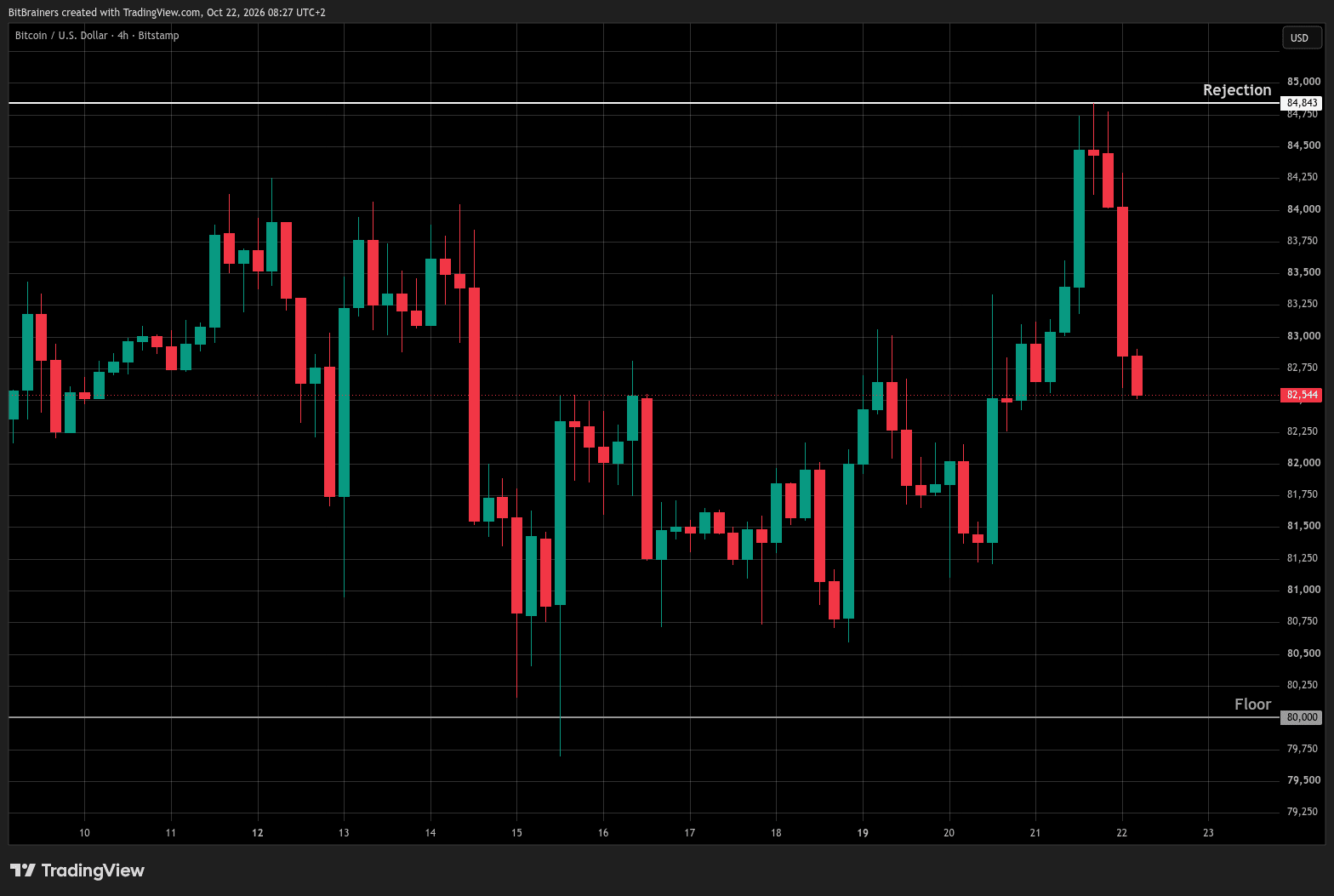
As price reclaimed $62,000, roughly $130 million in short positions were liquidated in a single 24-hour window against about $50 million in longs. A meaningful share of this move is forced covering, shorts buying because they had to, not fresh demand buying because it wanted to.
That does not invalidate the bounce. It does mean some of the fuel burns once and does not reload.
Numbers checked. Narratives questioned.
The Macro brief that reads the data before the hype.
Subscribe FreeOn paper, the combination looks compelling: a dovish jobs surprise, the first crack of green in ETF flows after record outflows, forced short covering, and upcoming regulatory and central bank events. That narrative deserves scrutiny. The alignment is partial and conditional, not definitive.
The Spread Is the Information
The honest takeaway is the width of the plausible range. Near-term relief is reasonable.
A sustained reversal needs sustained ETF inflows, labor data that does not deteriorate further, constructive regulatory signaling, and a non-disruptive FOMC. That multi-thousand-dollar uncertainty band is not analytical failure. It is a direct measurement of how little decisive structure exists right now.
Two Dates Decide Whether This Was a Bottom
The confirmation test is mechanical, not emotional. Flow-following desks typically want three to five consecutive positive ETF flow days, at volumes above the recent outflow average, before treating a bounce as a regime change.
One green day after ten red ones does not clear that bar. Neither does a rally where short liquidations outran long liquidations by better than two to one.
The calendar does the rest. On July 17 the House Financial Services Committee takes up the CLARITY Act, the first regulatory catalyst with a date attached since the June selloff began.
Then the FOMC meets July 28 and 29. Warsh has dropped the old habit of telegraphing moves in advance, and there is no fresh projection material until September, so markets walk into that meeting with less guidance than at any point in his tenure. A hold likely extends the relief. A hawkish surprise tests the July 1 low.
Until then, the discipline is the same one that applies in every low-structure environment. Confirmation before conviction, mechanism before narrative, and the same suspicion for data that agrees with your position as for data that contradicts it. We covered the flow side of this setup in our July 1 breakdown of why the ETF data matters more than the price.
Sources: U.S. Bureau of Labor Statistics Employment Situation, June 2026, Farside Investors Bitcoin ETF Flow Data, SoSoValue ETF Dashboard, CoinGlass ETF and Liquidation Data, House Financial Services Committee schedule.
Disclosure: This is analysis, not financial advice. We hold BTC. Do your own research before making investment decisions.